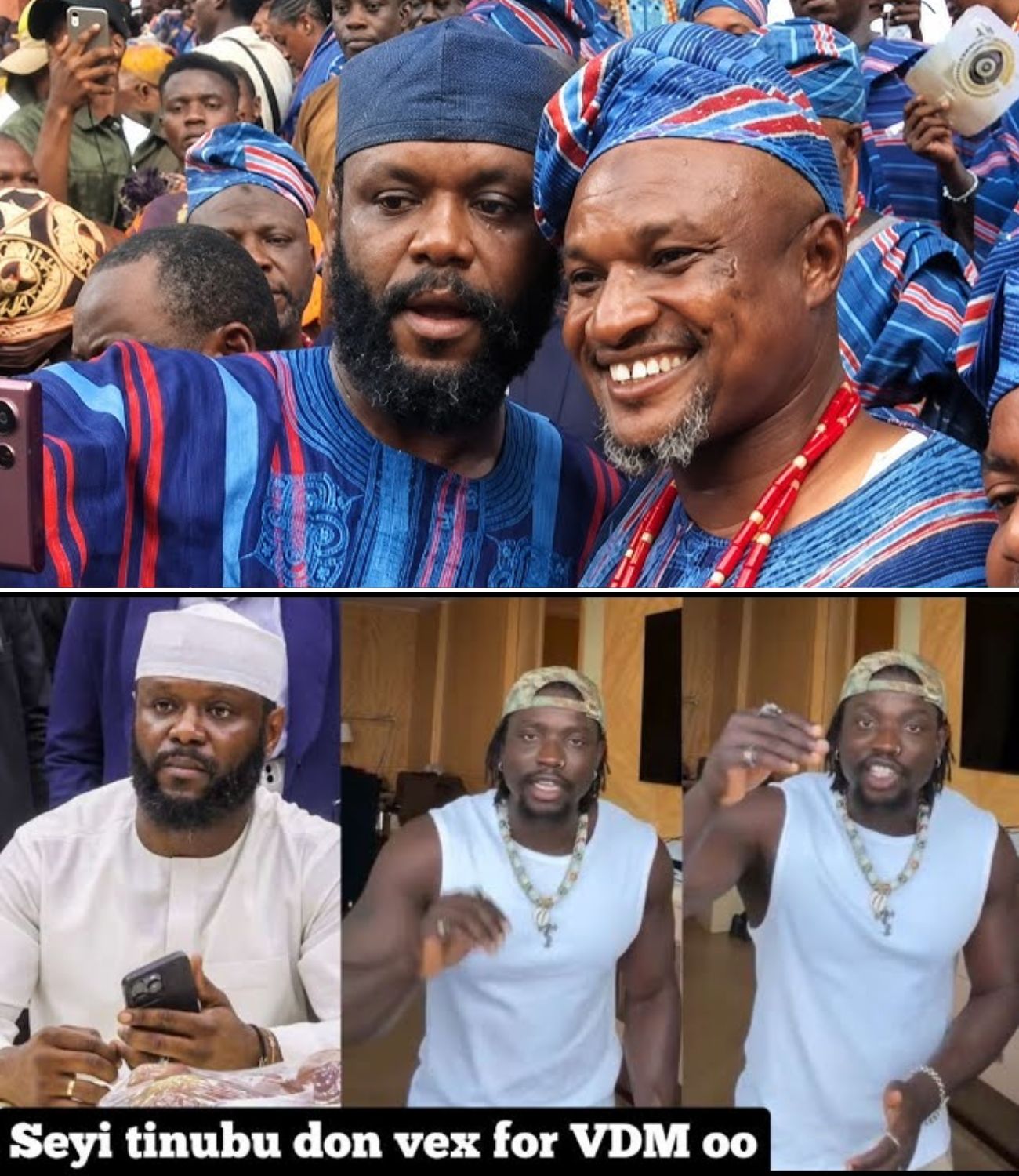
Nigeria is witnessing a storm of public outrage as Seyi Tinubu allegedly threatens legal action against the online influencer and activist known as Very Dark Man (VDM). The controversy escalated when VDM announced plans to launch a GoFundMe campaign to negotiate with kidnappers and secure the safe release of teachers and children abducted in Oyo State.
VDM’s bold move followed what he described as the government’s inadequate response to the kidnapping crisis. In a video shared widely on social media, he gave authorities four days to act, warning that he would mobilize public resources to save innocent lives if no action was taken. His actions sparked immediate debate, with some praising his courage and others warning of legal repercussions.
The legal concern stems from Nigerian law, which criminalizes the financing of kidnappers or ransom payments through crowdfunding campaigns. Experts warn that anyone attempting such fundraising can face severe penalties, including imprisonment for up to 15 years. This legal framework places VDM in a precarious position, balancing moral responsibility against potential legal consequences.
Adding fuel to the fire, Seyi Tinubu reportedly wants to sue VDM, alleging disrespect toward his father, President Bola Ahmed Tinubu. The tension is not merely personal; it reflects a larger national debate over governance, public safety, and accountability. Social media platforms have been flooded with opinions, as Nigerians grapple with questions about the government’s role in ensuring security and the ethics of vigilante interventions.
VDM, known for his vocal criticism of the APC-led administration, has consistently highlighted issues of insecurity, corruption, and systemic failures. In this instance, he specifically criticized the government’s failure to respond promptly to the Oyo State kidnapping, stressing that children and educators remain at risk while official efforts lag behind.
While some view VDM as a hero risking everything to save lives, others caution against bypassing legal channels. “Even though his intentions are noble, funding kidnappers is against Nigerian law. It undermines the rule of law and could make the situation worse,” said one legal analyst. Indeed, there have been instances where well-meaning crowdfunding for ransom payments has drawn public scrutiny and legal action.
The government’s response has been equally scrutinized. Citizens and activists question why military or police intervention did not prevent the abductions or secure the victims’ release sooner. Many Nigerians feel abandoned by the system, prompting some to support alternative measures, including VDM’s plan. Yet, critics argue that endorsing such campaigns sets a dangerous precedent, encouraging kidnappers to exploit public sympathy for profit.
Adding complexity to the situation, other Nigerian artists and public figures have previously attempted to fundraise for ransom payments, sometimes successfully, though often facing controversy. VDM’s case, however, stands out because of his public confrontation with the government and the potential legal consequences he faces. Observers warn that authorities may now act swiftly to arrest or intimidate him to maintain control over ransom negotiations.
The stakes are high. The kidnapped children and teachers are reported to be in remote forested areas, complicating rescue efforts. Kidnappers hold a strategic advantage, making timely and coordinated action essential. Public sentiment is volatile, with debates raging over whether moral imperatives to save innocent lives outweigh strict adherence to the law.

VDM’s critics also argue that his actions could unintentionally endanger the hostages. “Negotiating with kidnappers is fraught with risk. Miscommunication or missteps could provoke the perpetrators,” warned a security expert. Meanwhile, supporters argue that the government’s repeated delays leave no choice but to intervene independently.
This controversy has also sparked a political dimension. Seyi Tinubu’s legal threat intertwines familial loyalty with public discourse, highlighting tensions between citizens, influencers, and political elites. Many Nigerians see this as emblematic of broader systemic failures, where ordinary people feel compelled to step in where official structures fall short.
Amid the ongoing debates, Nigerians are taking to social media to voice opinions. Some commend VDM’s bravery, suggesting that moral action should sometimes trump legal constraints. Others emphasize that undermining law enforcement could exacerbate insecurity nationwide, potentially incentivizing more kidnappings if criminals perceive that public crowdfunding will always rescue hostages.
The incident has also reignited discussions about the limits of online activism in Nigeria. While social media platforms allow rapid mobilization, they also expose activists to threats, legal risk, and public criticism. VDM’s prominence makes him a lightning rod for controversy, as his every move is dissected by supporters, detractors, and legal authorities alike.
At the core of the debate is the ethical dilemma: should citizens intervene directly when government responses are perceived as inadequate? VDM’s proposed GoFundMe campaign raises critical questions about civic responsibility, legality, and the role of influencers in shaping public action. The Nigerian public remains sharply divided, with impassioned arguments on both sides.
The coming days will be decisive. Nigerians await news of the hostages’ safety, potential legal action against VDM, and any official government measures. Observers suggest that how authorities handle this situation could influence public trust and civic engagement in future crises. Meanwhile, online discourse continues to dominate national conversation, illustrating the power—and peril—of social media activism in contemporary Nigeria.
In conclusion, the VDM saga underscores Nigeria’s ongoing struggle with insecurity, governance, and civic responsibility. Seyi Tinubu’s threat to sue and the potential legal risks for VDM add layers of complexity to an already volatile situation. As citizens debate the morality and legality of direct intervention, one thing remains clear: the lives of innocent children and educators hang in the balance, and every second counts.
Nigerians are urged to follow updates closely, discuss responsibly, and engage in the heated debates shaping the nation’s conversation on security, governance, and activism. FULL STORY BELOW 👇 — join the first comment for detailed discussions, multiple perspectives, and the latest developments surrounding VDM and the Oyo State abduction crisis.
