
Oriire School Abduction: New Alleged Hideout Details Spark Fear As Parents Beg For Their Children’s Return
Nigeria is once again asking a painful question: if children are no longer completely safe inside their classrooms, where exactly are they safe?
The reported abduction of pupils and teachers from schools in Oriire Local Government Area of Oyo State has opened a deep wound across the country. What began as another terrifying security report has now turned into a national conversation about fear, failure, and the desperate cries of parents who only want one thing — to see their children and teachers return home alive.
For many Nigerians, the most disturbing part is not only the attack itself. It is the thought that such an operation could happen in a region many people once believed was far from the pattern of school kidnappings mostly associated with the northern part of the country. That feeling has changed. The fear has moved. And now, communities in the South-West are asking whether a dangerous new chapter is quietly unfolding before their eyes.
According to reports, armed men attacked schools in the Oriire area of Oyo State and abducted dozens of pupils and teachers. Families were thrown into confusion. Classrooms that should have been filled with lessons, voices, and innocent laughter suddenly became places of panic. Parents who sent their children to school with hope were forced into the nightmare of waiting for phone calls, rumours, security updates, and any sign that their loved ones were still alive.
In many parts of Nigeria, school is supposed to be a promise. It is where poor families send their children with the belief that education can break the chain of hardship. But when gunmen turn schools into targets, they do not only attack individuals; they attack the future of an entire community.
That is why the Oriire case has touched a nerve.

Recent claims circulating from local commentary and video discussions have added another layer of tension. Some accounts allege that a hideout or temporary camp connected to suspected kidnappers may have been discovered. These claims have not all been independently verified, but they have intensified public anger. Nigerians are asking how armed groups move, where they hide, who assists them, and why such danger can remain close enough to vulnerable communities without being stopped earlier.
The emotional weight of the case is heavy. Parents are not speaking like politicians. They are not interested in long grammar or official statements. Their cry is simple: bring back our children. Bring back our teachers. Let them come home.
That cry is what makes this case bigger than another headline.
The fear in Oyo State is now part of a wider national anxiety. Over the years, Nigeria has seen repeated kidnappings involving students, travellers, villagers, religious worshippers, and workers. In many cases, criminal groups use fear as a business model. They target helpless communities, abduct people, demand money, and leave families traumatised even after the victims return. The emotional cost is immeasurable.
In Oriire, the alleged involvement of organized armed groups has raised difficult questions about intelligence, local security, forest routes, and the ability of authorities to respond quickly. Some residents believe that the terrain around remote communities gives criminals places to move and hide. Others argue that government must do more than deploy security after attacks; it must prevent attacks before they happen.
The schools affected are not elite institutions protected by heavy gates, private guards, and surveillance systems. They serve ordinary Nigerian families — farmers, traders, artisans, church members, civil servants, and struggling parents who simply want their children educated. That is why the attack feels personal to millions of people who may never have visited Oriire but understand the pain of sending a child out and not knowing if that child will return.
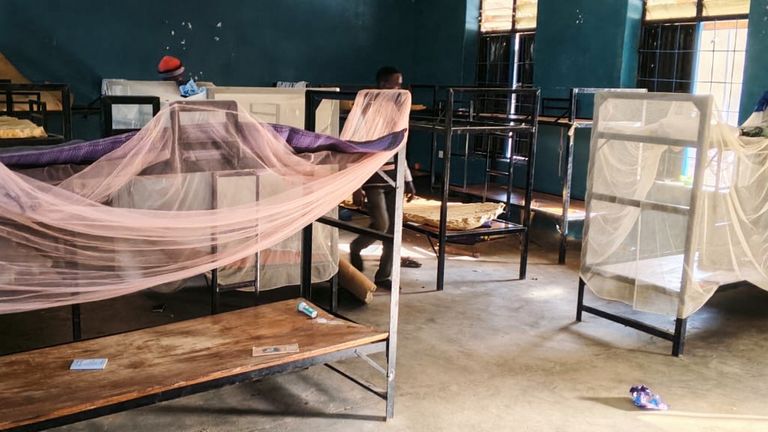
Security experts often warn that kidnappers thrive where roads are poorly monitored, communities are under-protected, and response systems are slow. In many rural areas, people know strangers are moving around, but they may not know who to report to or whether reporting will bring protection. This gap between community fear and official response is where criminals often operate.
The Oriire abduction also exposes another painful issue: the psychological damage to children who survive such events. Even when victims are rescued, the trauma does not disappear overnight. A child who has seen gunmen, heard threats, slept in fear, or watched teachers helplessly negotiate for survival may carry that experience for years. Teachers, too, face a silent burden. Many go to work with little protection, poor welfare, and now the fear that their profession may put them in danger.
For parents, the trauma is different but equally deep. Every hour without answers feels like punishment. Every rumour feels like a knife. Every official silence sounds like abandonment. In moments like this, families do not want political excuses. They want action, communication, and proof that the lives of ordinary Nigerians matter.
This is why the public reaction has been intense. Nigerians are tired of hearing that security agencies are “on top of the situation” while families keep crying. People want to know who planned the attack, who supplied information, who provided movement routes, whether there were warning signs, and whether any local collaborators helped the attackers. These questions may be uncomfortable, but they are necessary.
At the same time, the public must be careful with unverified ethnic accusations. In Nigeria’s tense security environment, rumours can spread faster than facts. While some conversations online describe the suspects as Fulani bandits, responsible reporting must separate verified information from emotional claims. Criminals should be investigated, arrested, prosecuted, and named based on evidence — not used to inflame wider ethnic suspicion against innocent communities.
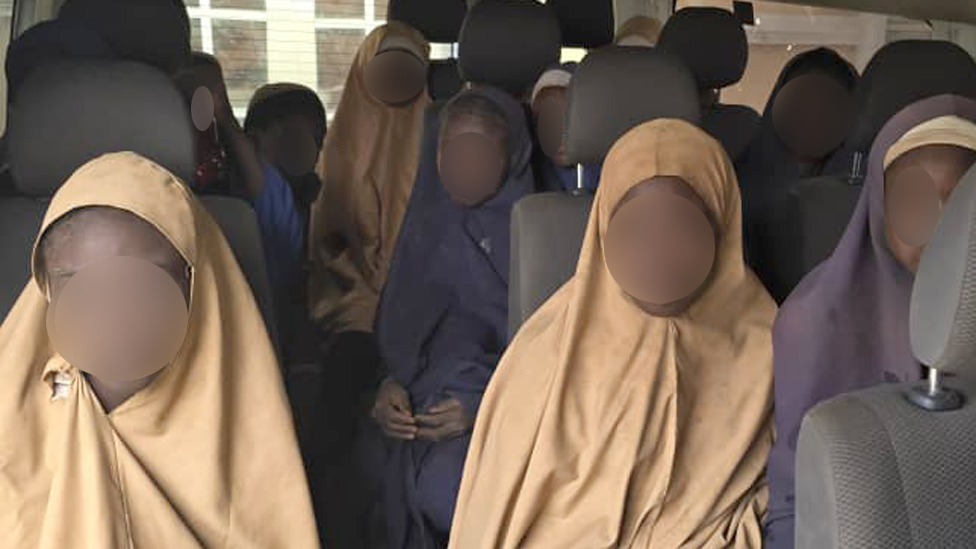
That does not mean Nigerians should stay silent. It means the demand for justice must be strong, factual, and focused.
The government of Oyo State, federal security agencies, community leaders, and school authorities now face a serious test. The first priority must be the safe return of the victims. After that, Nigerians will expect real answers. How were the schools attacked? How long did the operation last? Why was the response not fast enough to stop the abduction? What security gaps exist in rural schools? How will the government protect children going forward?
There must also be better coordination between local vigilante groups, police, intelligence units, and traditional leaders. Communities often know when strange movements begin, but without a trusted reporting system, such warnings may die in silence. Nigeria cannot afford that anymore.
School security must also become practical, not ceremonial. It is not enough to make speeches after every attack. Vulnerable schools need emergency contacts, trained response plans, community alert systems, safer transport routes, and stronger monitoring around isolated areas. Teachers should know what to do in crisis moments. Parents should know where to get verified updates. Security agencies should not wait until tragedy becomes viral before reacting.
The Oriire case is not just about one local government. It is a warning to the whole country.
If school kidnappings continue to spread, the consequences will go beyond security. Parents may start withdrawing children from school. Teachers may become afraid to work in remote communities. Rural education may suffer even more. And once fear enters the classroom, the future becomes the next victim.
For now, the nation waits. Parents wait. Teachers wait. Communities pray. Nigerians online continue to ask questions, share updates, and demand that the abducted victims must not be forgotten.
But beyond hashtags and outrage, one truth remains clear: the lives of these children and teachers must come first.
Nigeria has heard too many promises after too many tragedies. Oriire must not become another case buried under political statements and forgotten after a few days. The victims deserve rescue. Their families deserve answers. The country deserves security that works before disaster, not only after it.
Until the children and teachers are safely back home, the cry from Oriire will continue to echo across Nigeria:
Bring them back. Bring them back alive. Bring them back now.
