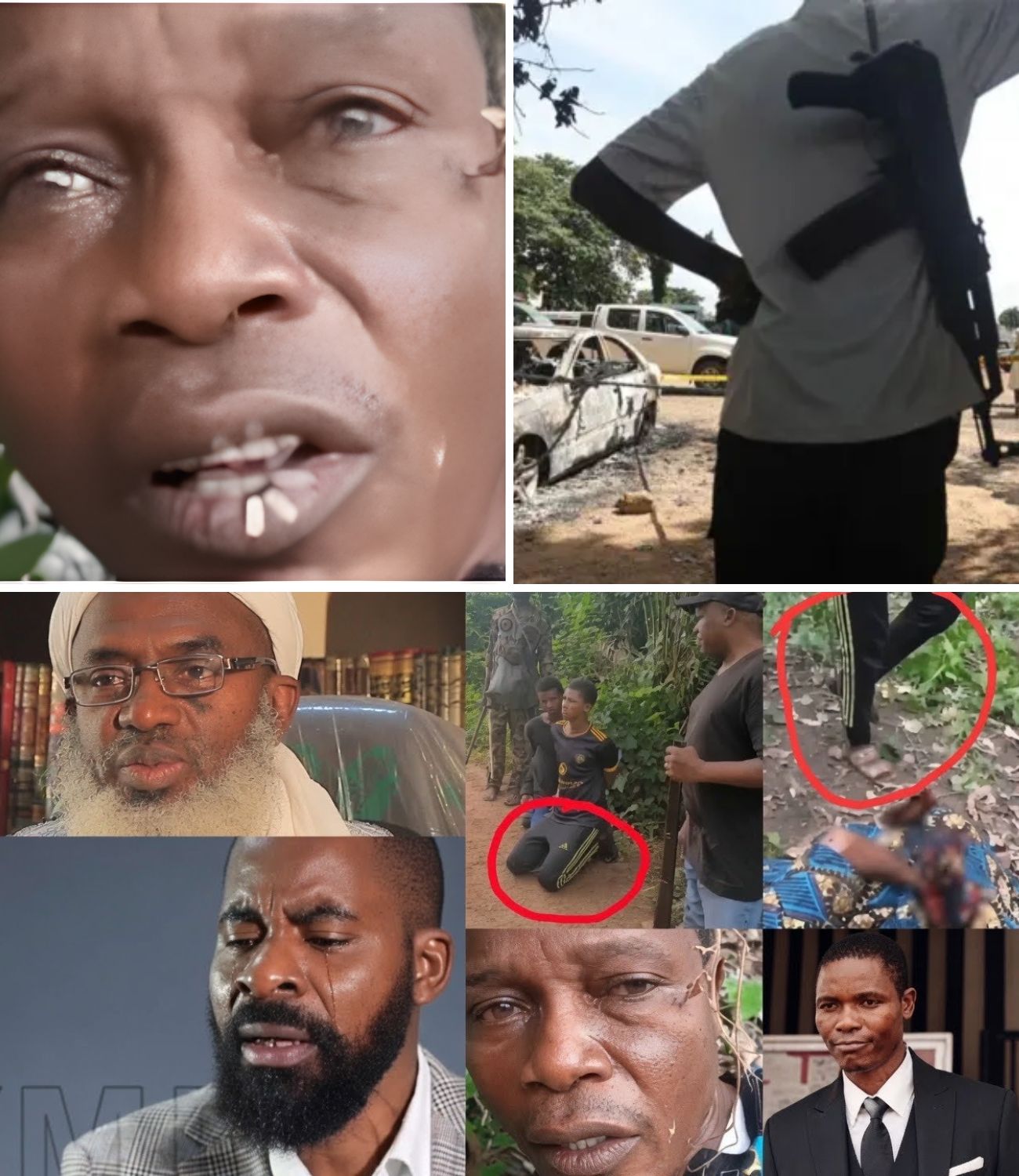
Nigeria is once again gripped by tragedy and fear following the horrifying events surrounding the kidnapping and subsequent beheading of secondary school teacher Michael Oye Dunku in Oyo State. This case has ignited intense discussion nationwide, highlighting the persistent threat of banditry, herdsmen violence, and the government’s response to terrorism in Nigeria.
Eyewitness accounts and recent investigations reveal a chilling possibility: the individuals involved in Michael Oye Dunku’s abduction may be ordinary Fulani herdsmen, operating under the guise of daily cattle movements. According to reports, vigilante and hunter groups in Osun State recently arrested several herdsmen in the bush, noting the distinctive clothing and appearance of some suspects. These details appear to match footage of the teacher’s final moments, raising alarm over the possible identities of the perpetrators.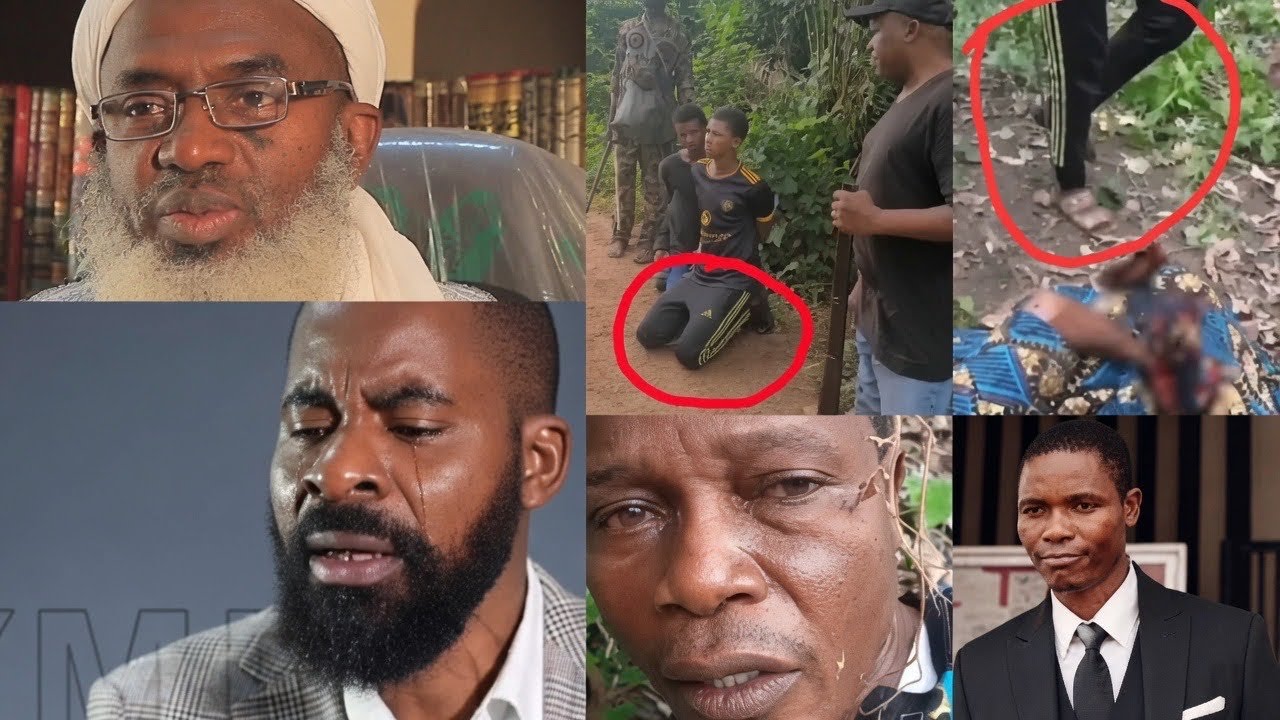
Social media has amplified this story, as Nigerians compare the clothes, shoes, and even the stripes on trousers seen in the videos. The similarities between the suspects’ attire and what the victims were last seen wearing are striking. Analysts say that these observations, while circumstantial, demand further investigation and swift police action to confirm the link.
Lawyers and security analysts have not minced words about the role of influential figures and the state’s complacency in tackling terrorism. A prominent lawyer recently criticized Sheikh Gumi, noting that if Nigeria were an ideal society, individuals allegedly promoting or justifying banditry would not roam freely. He argued passionately that such complacency has emboldened perpetrators to recruit children as “food soldiers” and human shields, intensifying the nation’s security crisis.
The lawyer’s comments underscore a broader debate about government policies and societal attitudes toward kidnappers and bandits. Many Nigerians are frustrated by what they see as repeated failures to hold criminals accountable. The discussion touches on sensitive issues, such as ransom payments, public tolerance of herdsmen violence, and the ethical dilemmas of negotiating with terrorists.
The beheading of Michael Oye Dunku is particularly enraging because it targeted an innocent teacher – a symbol of community trust and societal progress. Parents, students, and educators have expressed outrage, demanding immediate justice and systemic reform to protect schools and vulnerable citizens.
Recent investigative efforts have also revealed intriguing evidence linking the suspected herdsmen in Osun State to the Oyo kidnapping. Hunters and local vigilantes reportedly identified suspects carrying cattle in the bush. Notably, the clothes, shoes, and even the posture of these herdsmen closely resemble those seen in videos of the beheaded victims. Observers point out that some herdsmen often wear the same outfit for extended periods, making these visual comparisons even more significant in identifying suspects.
This “groundbreaking investigation,” as some online commentators describe it, has forced a national conversation about the intersection of herdsmen activity, banditry, and terrorism. While some call for calm and fact-checking, others argue that swift, decisive action is needed to prevent further atrocities. Citizens are demanding that security agencies confirm or refute the connections and bring those responsible to justice.
The Nigerian government has faced criticism for its perceived inaction against terror networks and kidnappers. Experts argue that failure to prosecute known influencers or individuals allegedly supporting terrorists emboldens criminal elements. Analysts point out that this environment creates a culture of impunity, where ordinary herdsmen or local bandits feel empowered to commit violent acts without fear of consequences.
In Oyo State, the aftermath of Michael Oye Dunku’s murder has had profound effects on the local community. Schools have heightened security, while families remain traumatized by the graphic nature of the crime. Social media continues to play a pivotal role, with citizens scrutinizing every visual clue from the videos and comparing it with recent arrests. Discussions about justice, accountability, and security reforms dominate online platforms.
Human rights advocates stress that the problem extends beyond immediate acts of violence. They argue that systemic issues – including lax enforcement of law, corruption, and inadequate intelligence – have allowed criminal networks to thrive. This tragic incident is now emblematic of the broader challenges Nigeria faces in ensuring safety and protecting citizens from kidnappers and bandits.
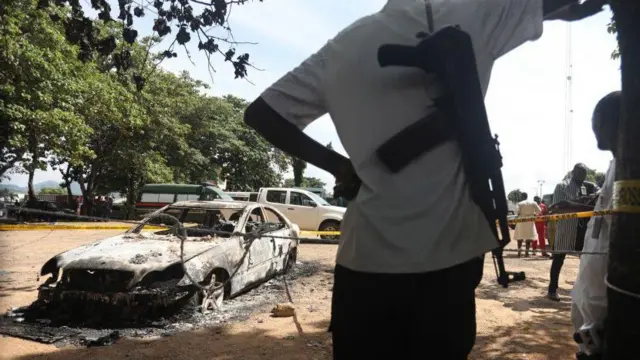
Meanwhile, traditional and community leaders are also weighing in. Some suggest greater cooperation between local vigilante groups and law enforcement to identify and apprehend suspects quickly. Others call for nationwide awareness campaigns to educate citizens on how to report suspicious activity while protecting vulnerable populations.
As Nigerians continue to mourn Michael Oye Dunku, questions remain unanswered. Who exactly are the perpetrators? How deep does the network of herdsmen involvement go? And what lessons will the government implement to prevent future tragedies? For many, the beheading is not just a personal loss but a national wake-up call about the urgent need for security reform and justice.
The unfolding story in Oyo State serves as a stark reminder that terrorism, banditry, and kidnappings are not isolated incidents but part of a growing national crisis. As investigations progress, Nigerians are urged to stay vigilant, report any credible information to authorities, and hold government and security agencies accountable.
In conclusion, the murder of teacher Michael Oye Dunku has sparked outrage, fear, and critical national discussions. With potential links to Fulani herdsmen and systemic security failures, this case underscores the urgency of proactive measures against terrorism and kidnapping. The nation watches closely, demanding accountability, justice, and decisive action to prevent further tragedies.
